Design-first packaging engineering
Packaging designed like a part, not picked from a catalog.
Velox models your component, designs the pack around it, and proves the design under load before anything gets tooled. Returnable and expendable packaging for automotive, EV and aerospace manufacturers.
Sec. 01 — What makes us different
Most packaging is sourced. Yours should be engineered.
The usual route is to describe a part to a supplier and take the closest thing they already make. We start from the geometry, the handling reality and the shipping lane, then design to it. That difference usually shows up as fewer damages, less air shipped, and packaging your team can actually load.
Designed around your geometry
Dunnage, retention and orientation are drawn to the part itself, not adapted from a stock footprint that nearly fits.
Proven before it is built
Dynamic load simulation and finite element analysis test the design under stacking, vibration and drop conditions while changes are still cheap.
Built for the people loading it
Reach, lift height, cycle time and line-side flow are treated as design inputs, so the pack works on the floor and not only on paper.
Sec. 02 — How an engagement runs
Four steps, one part at a time.
Part & lane review
We take your part data or samples, plus how it ships today: lane, mode, stack height, current damage and cost.
Concept design
Concepts in CAD covering expendable and returnable options, with density and handling trade-offs side by side.
Simulation & validation
Load simulation and FEA on the chosen direction, revised until the design holds up under the conditions it will meet.
Drawings & handoff
Released drawings, material specification and handling notes — ready for your supplier, or ours if you would rather we run it.
Sec. 03 — Selected work
Designs, not stock photos.
Each of these started as a bare component and a shipping problem. The pack assembles in the clips below.
Client names withheld unless we have written permission to use them.
Sec. 04 — From model to crate
What the finished design looks like.
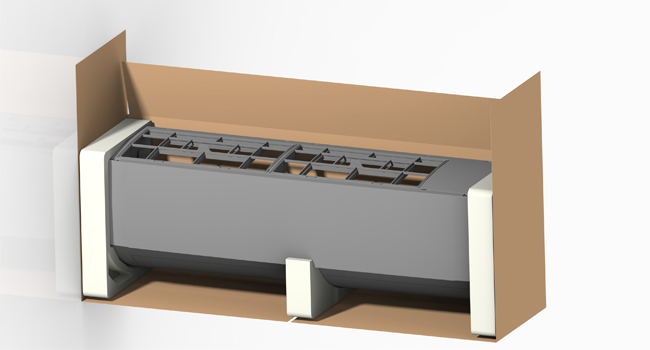

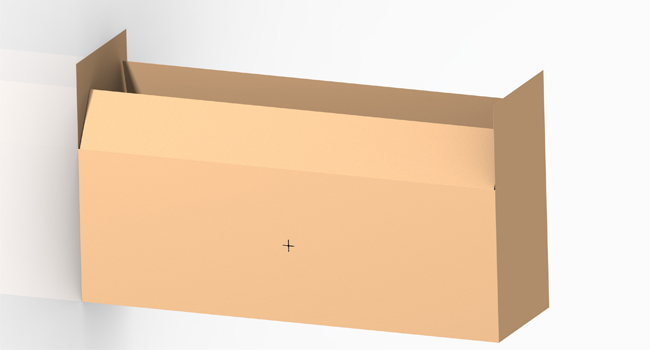
Sec. 05 — Capabilities
What we can take off your plate.
Packaging solutions
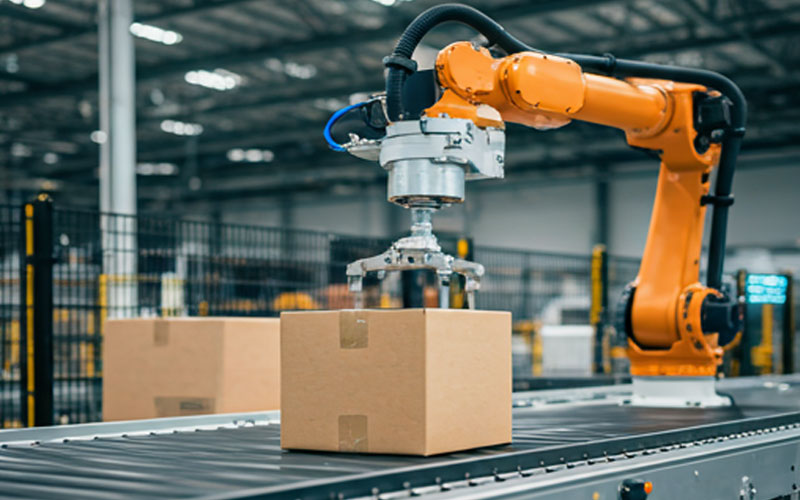
Expendable and returnable packaging, material optimization, ergonomics and handling analysis, dynamic load simulation and FEA.
View capability →Supply chain solutions
Inventory management, warehouse layout and utilization, distribution strategy and network design.
View capability →Strategic logistics
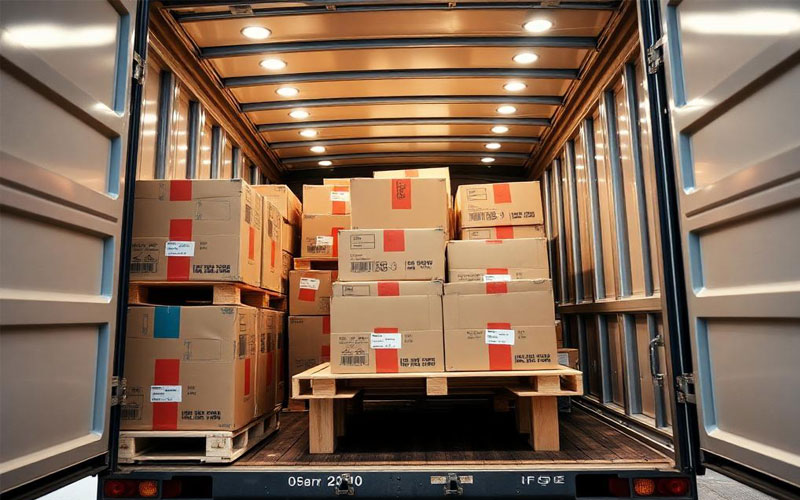
Transportation and route optimization, freight consolidation and load building, performance analytics.
View capability →Research & development
Sustainable and reusable material development, durability and safety testing, packaging trials before rollout.
View capability →The easiest way to start
Pick one part. We will design the packaging for it, at no charge.
Send us a part that ships badly, ships expensively, or ships in something nobody likes handling. You get a first design and our read on it — an engineering evaluation, not a sales meeting.
One part per company. Scope and timing confirmed in writing before we start. No obligation to proceed.
Sec. 06 — Sustainability
Less material, more trips, fewer damages.
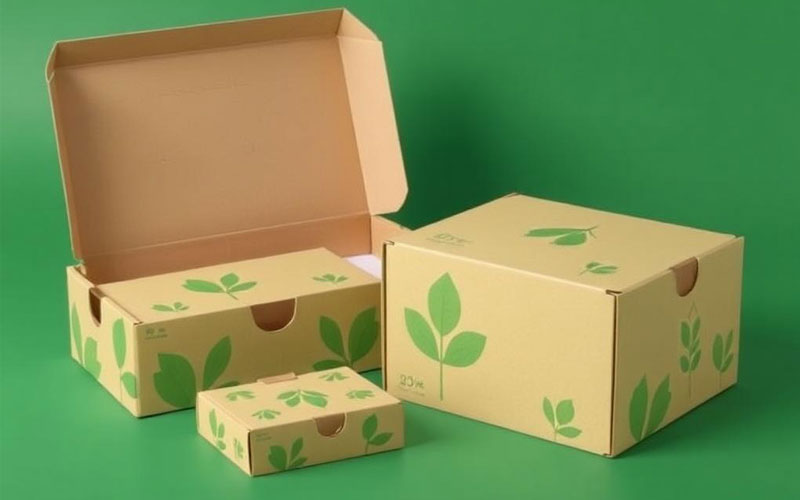
Sustainability in packaging is mostly an engineering result, not a pledge. Returnable designs that survive more cycles, lighter specs that still pass simulation, and higher density per truck cut waste and cost at the same time — that is where we work.
Reusable by design
Returnable packaging engineered for repeat cycles, with wear points and repairability considered up front.
Right-sized material
Material and wall specs reduced to what the simulation supports, instead of padding the spec to be safe.
Denser loads
Better nesting and stacking means fewer trucks for the same parts — the cheapest emissions reduction available.
Sec. 07 — Writing